
Call us:
+442036084550
Monday-Sunday (24 Hours)


 2026-07-11
James Smith

Professionals today are expected to deliver measurable results, optimise processes, and drive continuous improvement in increasingly competitive workplaces. As these expectations grow, many begin asking, "Is Six Sigma Worth It?" before stepping into process improvement initiatives.
The answer lies in its proven ability to enhance problem-solving skills, improve operational efficiency, and open doors to career growth across industries. This blog explores the reasons why Sis Sigma is Worth the investment, focusing on its benefits and practical impacts to help you decide whether it is the right investment for your future. Let's get started!
Six Sigma is a data-driven methodology that helps organisations improve processes by identifying and addressing the root causes of defects, reducing variation, and enhancing overall quality. It provides a structured framework for measuring performance, analysing problems, implementing improvements, and maintaining consistent results.
Originally developed by Motorola to improve manufacturing quality, Six Sigma is now widely used across industries such as healthcare, Information Technology (IT), finance, logistics, and customer service. By applying statistical analysis and proven improvement techniques, organisations can increase efficiency, reduce costs, improve customer satisfaction, and make informed business decisions.

Six Sigma Certification equips professionals with practical skills to improve processes and make data-driven decisions that create measurable business value. Whether you want to advance your career, enhance your earning potential, or contribute more to organisational success, the following reasons explain why Six Sigma Certification is a worthwhile investment.
Six Sigma is recognised worldwide as one of the leading methodologies for quality and process improvement. Employers across various industries value professionals who can apply structured approaches to enhance efficiency and deliver measurable results.
Holding a Six Sigma Certification demonstrates your commitment to continuous improvement and professional development. It also showcases your ability to contribute to organisational performance through data-driven problem-solving and process optimisation.
Six Sigma equips professionals with proven techniques to identify the root causes of errors, reduce process variation, and prevent recurring problems. Its structured approach helps improve consistency and operational reliability.
By minimising defects and reducing risks, organisations can enhance product and service quality while lowering the likelihood of costly mistakes. This contributes to greater customer satisfaction and improved business performance.
Six Sigma Certification helps professionals advance within their current career path. Many employers value Six Sigma-certified professionals for taking on greater responsibility in operations, quality management, process improvement, and project delivery because they can apply structured methodologies to solve business challenges.
It also highlights your capability to solve complex business challenges, strengthening your long-term career prospects. This can increase opportunities for promotions, greater responsibilities, and leadership roles across different industries.
Organisations seek professionals who can improve efficiency and deliver measurable results. Six Sigma Certification helps professionals stand out when applying for new roles or transitioning into different industries. It showcases practical skills in process analysis, problem-solving, and data-driven decision-making that make individuals attractive to prospective employers.
These capabilities make professionals competitive during recruitment. As businesses tend to focus on operational excellence, certified professionals remain in demand across a wide range of sectors.
Achieve operational excellence and drive measurable business results with the Six Sigma Green Belt Course - Join now!
Six Sigma principles can be applied wherever organisations aim to improve quality and efficiency. Industries such as healthcare, finance, IT, logistics, retail, and manufacturing all use its methods to optimise processes and improve operational performance.
Because these principles are widely applicable, professionals can use the same problem-solving techniques in a variety of business environments. This versatility makes Six Sigma valuable across different roles and industries.
Six Sigma encourages professionals to evaluate processes using data instead of assumptions. This approach strengthens analytical thinking, root cause identification, and structured decision-making when solving business problems.
As professionals progress through advanced certification levels, they often gain experience leading improvement projects. Moreover, managing teams and driving change helps develop leadership, communication, and collaboration skills.
Certified professionals help organisations improve efficiency by identifying opportunities to enhance workflows and reduce process inefficiencies. These improvements contribute to better productivity and more consistent operational performance.
Their work also supports higher customer satisfaction through improved quality and reliable processes. Over time, these measurable improvements create long-term value for the organisation.
Many improvement projects require input from multiple departments to achieve successful outcomes. Working with different teams encourages better communication, shared responsibility, and a broader understanding of business operations.
This collaborative approach also strengthens professional relationships across the organisation. It enables professionals to solve complex business challenges while strengthening teamwork and leadership capabilities.
Six Sigma Certification can improve earning potential by qualifying professionals for specialised and senior-level positions. Employers often reward individuals who can contribute to operational improvements and business performance.
Career progression also becomes more achievable with practical experience and advanced certifications. Together, these factors create opportunities for leadership roles with greater responsibilities and higher salaries.
Six Sigma focuses on identifying process inefficiencies that increase costs and reduce productivity. Reducing process variation, minimising defects, and improving workflow efficiency help organisations operate more effectively.
Lower operational expenses allow businesses to improve profitability while maintaining product and service quality. Professionals with these skills contribute directly to stronger financial performance.
Begin your path to process excellence with the Six Sigma Yellow Belt Course – Register now!
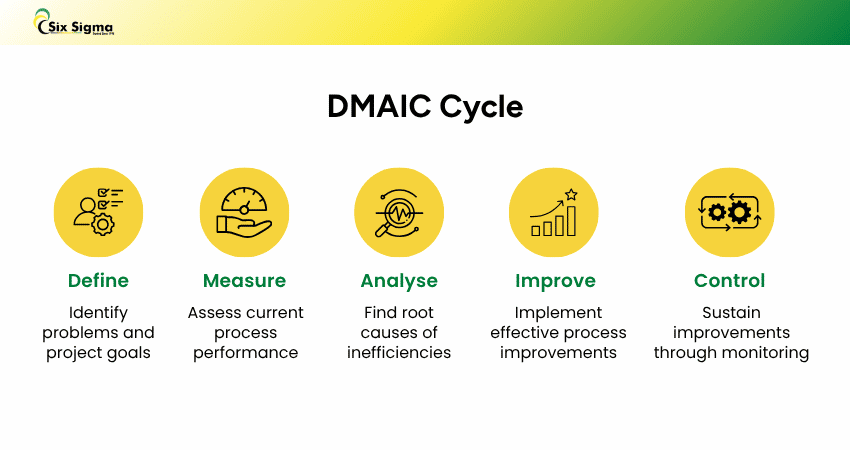
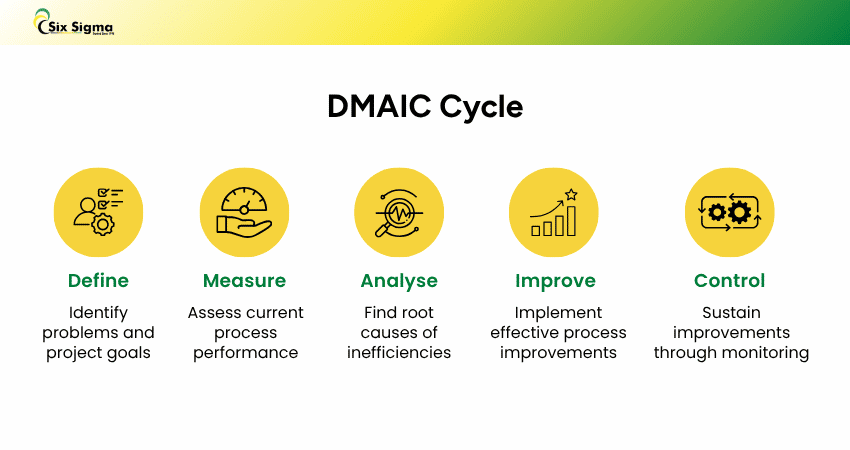
Six Sigma provides a structured methodology such as DMAIC (Define, Measure, Analyse, Improve, and Control) to analyse existing processes and implement meaningful improvements. This systematic approach helps organisations optimise workflows and build more reliable processes.
It also emphasises continuous monitoring and process control to ensure improvements are maintained over time. By standardising best practices and preventing recurring issues, organisations can sustain consistent quality and support long-term operational excellence.
Pursuing Six Sigma Certification provides opportunities to connect with a wider community of quality and process improvement experts. Industry events, training programmes, and professional associations provide opportunities to exchange ideas and practical experiences.
Building these professional connections can support career development and knowledge sharing. Networking also helps individuals stay informed about industry trends and emerging best practices.
Six Sigma projects follow a structured framework with defined objectives, timelines, and measurable outcomes. Working within this approach strengthens planning, organisation, and execution skills.
Professionals also develop experience in managing stakeholders, monitoring progress, and delivering successful results. These project management capabilities are valuable across many business and leadership roles.
Six Sigma is recognised by organisations around the world as a trusted process improvement methodology. Holding a Six Sigma Certification reflects skills that are relevant across international business environments.
This global recognition increases opportunities to work with multinational companies or pursue overseas careers. It also provides greater flexibility when exploring roles in different countries and industries.
Experienced Six Sigma professionals can use their expertise to provide independent consulting services. Many organisations seek external specialists to improve processes, reduce costs, and enhance operational performance.
Certification also supports entrepreneurial ambitions by building professional credibility. Whether launching a consultancy or offering specialised business services, Six Sigma knowledge provides a strong foundation for long-term growth.
If you are still asking Is Six Sigma Worth It, the answer highly depends on your career goals and professional aspirations. For individuals looking to strengthen their problem-solving abilities, improve business processes, and advance into quality, operations, or leadership roles, Six Sigma offers significant long-term value. Its global recognition and focus on continuous improvement make it a worthwhile investment for professionals seeking sustainable career growth and organisational success.
Lead teams toward operational excellence and quality management with the Six Sigma Black Belt Course - Sign up today!


Thank You For Your Enquiry.
Our representative will get in touch with you shortly. You can also:Call Us: +442036084550
Email Us: info@sixsigma.co.uk



 Home
Home